Portals were made to simplify access, improve communication, and help users find what they need without relying on manual processes. Just like in every industry, healthcare is also using them to make things faster, more organized, and more convenient for both patients and providers.
Patient portals are used by hospitals, clinics, and private practices to give patients instant access without waiting for calls or in-person visits. They reduce confusion, strengthen communication, and ensure that patients stay connected to their care at every stage.
As you read further, we will explore how these portals boost patient engagement and maintain seamless care continuity, which are the two pillars of modern, consistent, and high-quality healthcare.
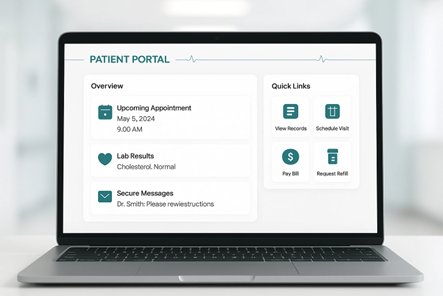
A patient portal system is a secure digital platform where patients can access and manage essential aspects of their healthcare information. Unlike traditional communication methods—phone calls, in-person visits, or paper records—patient portals offer 24/7 convenience and transparency.
Patients can:
Beyond convenience, they encourage patients to be active participants, improving outcomes and strengthening the provider-patient relationship. That’s why nearly every modern hospital, healthcare clinic, and private medical practice now integrates portals directly into their digital infrastructure.
Now you know what it is, let’s get the complete information about how it enhances engagement.
Strong patient portals for healthcare allow individuals to view their records, results, prescriptions, and visit notes anytime. This level of transparency boosts engagement by helping patients understand their conditions better and participate more confidently.
Instant access to lab results and imaging helps patients stay informed without waiting for phone calls or follow-up visits. It reduces anxiety, speeds up decision-making, and encourages patients to take immediate action when needed. This transparency strengthens engagement by helping individuals understand their health status at the right time.
Having doctor notes available inside the patient portal system allows patients to revisit instructions, understand diagnoses clearly, and avoid confusion. This improves communication and makes follow-up decisions easier. Patients are more confident when they have documented explanations they can read anytime, supporting better participation in their ongoing care.
Access to a digital medical history eliminates the hassle of managing files, printed reports, or misplaced documents. Patients can view past treatments, prescriptions, procedures, and test results instantly. This ensures accuracy, improves continuity between providers, and empowers patients to stay organized throughout their healthcare journey without relying on physical paperwork.
Patient portals for healthcare help patients understand treatment updates, medication adjustments, and care modifications clearly. Instead of relying on memory, they can review changes anytime. This reduces mistakes, improves long-term adherence, and enhances engagement by giving patients a full picture of why and how their treatment plans evolve.
One of the major benefits of patient portals is consistent communication. Patients can reach providers without long hold times, and providers can respond with clarity.
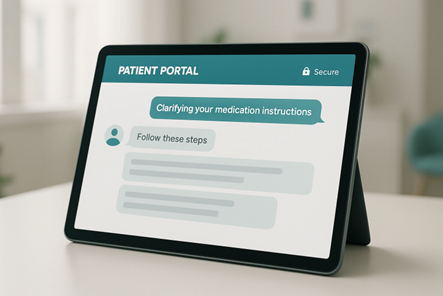
How This Improves Care
Engagement drops when patients forget appointments or neglect follow-up care. Portals solve this by automating reminders. Follow-up features seen in many patient portals for healthcare:
Automated appointment alerts help patients stay on schedule by providing reminders well before their visit. These notifications reduce no-shows, improve preparation, and ensure timely care. With consistent reminders built into modern patient portals for healthcare, patients remain connected to their treatment plans without relying solely on memory or manual calendars.
Clear, accessible post-procedure instructions inside the portal help patients understand what to do after treatment. They can revisit care steps, restrictions, and recovery guidelines anytime, reducing confusion and complications. This improves healing, encourages proper self-care, and ensures patients remain aligned with the provider’s recommendations long after the appointment.
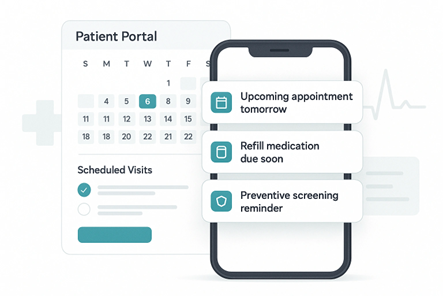
Refill notifications prevent patients from running out of essential medications by reminding them before their supply ends. This supports consistent treatment, reduces lapses in care, and helps patients maintain stability—especially those with chronic conditions. Automated reminders encourage adherence and eliminate the hassle of remembering refill dates manually.
Preventive screening reminders keep patients proactive about their long-term health by notifying them of due tests, annual exams, and recommended evaluations. These alerts support early detection, reduce overlooked screenings, and build a stronger habit of routine care. They also help providers maintain continuity by ensuring patients don’t miss critical checkups.
Patients can instantly revisit medication steps, post-visit notes, or treatment guidelines at any hour, especially when urgent symptoms appear. This reduces confusion, prevents delays in care, and ensures individuals receive timely clarity without waiting for office responses or next-day appointments.
When patient portals for healthcare are accessible 24/7, family members can support patients remotely by reviewing instructions, checking updates, or helping manage medications. This is especially valuable for elderly patients or those with chronic illnesses who rely on shared caregiving and consistent oversight.
During emergencies, teams can quickly view a patient’s medical history, allergies, medications, or recent test results. This rapid access supports accurate decisions, reduces risk, and speeds up treatment, especially when immediate context can influence life-saving care.
Patients no longer depend on business hours to get help or review essential details. Whether it’s scheduling, reviewing instructions, or messaging providers, round-the-clock access improves independence and minimizes disruptions in care, especially for those managing ongoing conditions. Strong accessibility is usually achieved through medical website design services that ensure portals load quickly and operate smoothly across all devices.
Patients managing long-term conditions benefit greatly when tools inside the portal help them track daily health information. Examples of supportive tools:
Digital logging tools in patient portals allow individuals with chronic conditions to record blood pressure, glucose levels, or other metrics daily. Providers can review patterns quickly, helping them detect risks early and adjust treatment plans before complications develop.
Symptom trackers help patients document pain levels, triggers, reactions, or daily fluctuations. This gives providers accurate, real-time insights into a patient’s condition. Over time, these records support better diagnosis, treatment adjustments, and more informed medical decisions for long-term conditions.
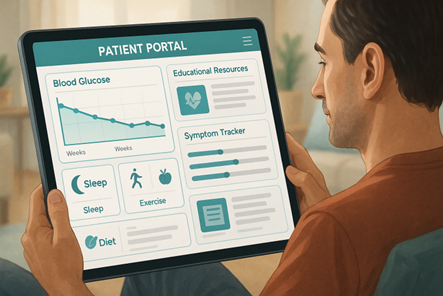
Lifestyle tracking tools allow patients to monitor sleep, diet, exercise, and overall habits that influence chronic conditions. By understanding patterns, both patients and providers can identify improvements or setbacks, creating more personalized and effective long-term health strategies.
Patient portals examples often include educational resources tailored to conditions like diabetes, hypertension, or asthma. These materials help patients understand their illness, learn proper self-care, and follow treatment guidelines correctly, leading to better disease management and stronger long-term outcomes.
When a patient switches specialists or moves to another facility, portals maintain consistency by keeping all their information in one place. This is essential for coordinated care.
Why transitions become smoother:
Modern hospital website design often integrates portals to ensure all departments have access to the same information seamlessly.
Patients are more likely to stay involved when administrative tasks are simple. Conveniences added through patient portals:
Online scheduling makes it easy for patients to book or shift appointments without calling the clinic or waiting on hold. This freedom encourages consistent engagement, reduces missed visits, and offers patients more control over their healthcare experience, especially when supported by well-designed systems that operate smoothly across devices.
Paying medical bills becomes simpler when patients can view statements, track balances, and complete payments directly through the portal. This eliminates confusion, speeds up billing processes, and reduces administrative stress for both sides. Convenient digital payments help patients stay active in their care without unnecessary delays or financial misunderstandings.
Portals allow patients to request medication refills anytime, preventing treatment interruptions and saving time. Instead of calling pharmacies or clinics, patients can submit requests instantly, ensuring better adherence and continuous care. This convenience helps maintain medication routines, especially for chronic conditions requiring consistent and timely prescription management.
Digital pre-visit forms reduce paperwork, save time at check-in, and improve accuracy by letting patients fill out information comfortably at home. Clinics receive complete, organized data before appointments, improving workflow and reducing delays. This smooth administrative experience encourages patients to stay engaged and return for future care without frustration.
Portals help patients make sense of their care by offering simple, organized educational material.
Educational elements include:
A well-built portal, supported by professional healthcare website design and intuitive layouts, makes this information easy to understand.
A complete record of interactions, treatment steps, and messages helps both sides stay responsible.
How accountability improves:
A reliable portal, built with the support of a skilled healthcare web design agency, improves long-term care consistency.
Modern patient portals use advanced security measures such as encryption, multi-factor authentication, HIPAA-compliant data handling, and real-time threat monitoring. These protections ensure that personal medical information remains confidential and safe.
Yes. Most patient portals are designed with simple layouts, large text options, clear navigation, and multilingual support. Many providers also offer in-clinic assistance to help older patients set up accounts, making portals accessible to individuals with limited digital experience.
A well-planned healthcare web design ensures that the portal is easy to find, quick to access, and smooth to navigate. With responsive layouts, fast load times, ADA compliance, and intuitive login placements, more patients feel confident using the portal regularly.
Most modern portals sync with EHR/EMR systems, allowing easy data sharing across departments or facilities. While some systems require patient permission, the goal is smooth continuity of care. Many providers use interoperable systems like MyChart to simplify transfers.
Absolutely. Portals offer automated reminders, upcoming appointment notifications, messages, and even preparation instructions. These features significantly reduce no-shows by keeping patients informed and engaged throughout their healthcare journey.
Yes. Portals can be customized to match a clinic’s branding, layout, workflows, and patient needs. Through design, developers integrate tailored dashboards, multilingual options, preferred appointment systems, and specialty-specific features that improve patient experience.

